
Consequences after the Persian Gulf War(1991-2003)
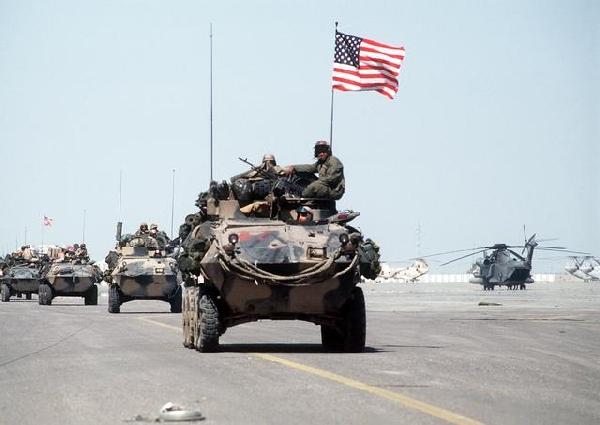
Background: The Persian Gulf War was an armed conflict between Iraq and 32 other nations including the United States. Iraq invaded Kuwait on Aug. 2, 1990. Iraqi president Saddam Hussein said that they invaded because of the overproduction of oil in Kuwait. Saddam Hussein also accused Kuwait of illegally pumping oil from Iraq's oil fields. The UN Security Council called for Iraq to withdraw and stopped most trade with Iraq. In august, U.S. troops moved into Saudi Arabia to protect the oil fields. In November, the UN set Jan. 15, 1991, as the deadline for Iraq to withdraw peacefully from Kuwait. When Saddam Hussein refused and Operation Desert Storm was launched on Jan. 18, 199. In February, main coalition forces liberated Kuwait. When U.S. On February 28, President Bush declared a cease-fire, and most of the Iraqi forces in Kuwait had either surrendered or fled.
The Second gulf War was after the terrorist attacks on September 1, 2001
Consequences:
- Iraq suffered enormous property damage.
- Wide spread disease from destruction of water treatment facilities
- Even though Kuwait was liberated, Saddam's government had all of the power in Iraq.
- Iraq refused weapon inspection from the United Nations Special Commission
- The economic and trade sanctions (ban on trade) that began during the war and contributed to the economic struggle in Iraq.
- Some reports say hundreds of thousands of children have died because of the sanctions.


Comments
Good job but be sure to add personal thoughts!