
My original topic was "US issues with Mexico". And as there was information on that, I decided to dig into an issue Mexico had. I thought the original topic was sort of common sense and I wanted to learn a little bit more. I will be doing my fourth blog on Porfirio Diaz. He was in charge of Mexico for 35 (give or take) years.
The dictatorship of Porfirio which lasted from1876–1911 determined to order which meant the rule by law and the suppression of violence, and modernization of all aspects of the society and economy. Porfirio Diaz was an astute politician who built a national base of supporters, to avoid antagonizing Catholics. He avoided enforcement of the anticlerical laws, which are opposed to the influence of the church or the clergy in political affairs. During this period, the country's infrastructure was highly improved, thanks to increased foreign investment from Britain and the United States, and a strong, stable central government. Increased taxes and better administration brought great improvements in public safety, health, railways, mining, industry, foreign trade, and national finances. He also modernized the army.
Mexico moved from dirt, to pride. The middle class and the rich prospered, but little was done for the poor.

Picture from: http://upload.wikimedia.org/wikipedia/commons/1/17/PDiaz.JPG
President Porfirio Diaz (From: 1876–1911)
In 1876, Lerdo was reelected over Porfirio Diaz. Diaz rebelled against the government with the proclamation of the Plan De Tuxtepec in which he opposed reelection, in 1876. Diaz managed to overthrow Lerdo, who fled the country, and was named president. Diaz became the new president. Thus began a period of more than 30 years (1876–1911) during which Diaz was Mexico's leader.

Photo from: http://upload.wikimedia.org/wikipedia/commons/2/28/Porfirio_diaz002.jpg
He was legally elected president eight times, turning over power once, from 1880 to 1884, to General Manuel Gonzailez. This period of prosperity and peace is known as the Porfiriato.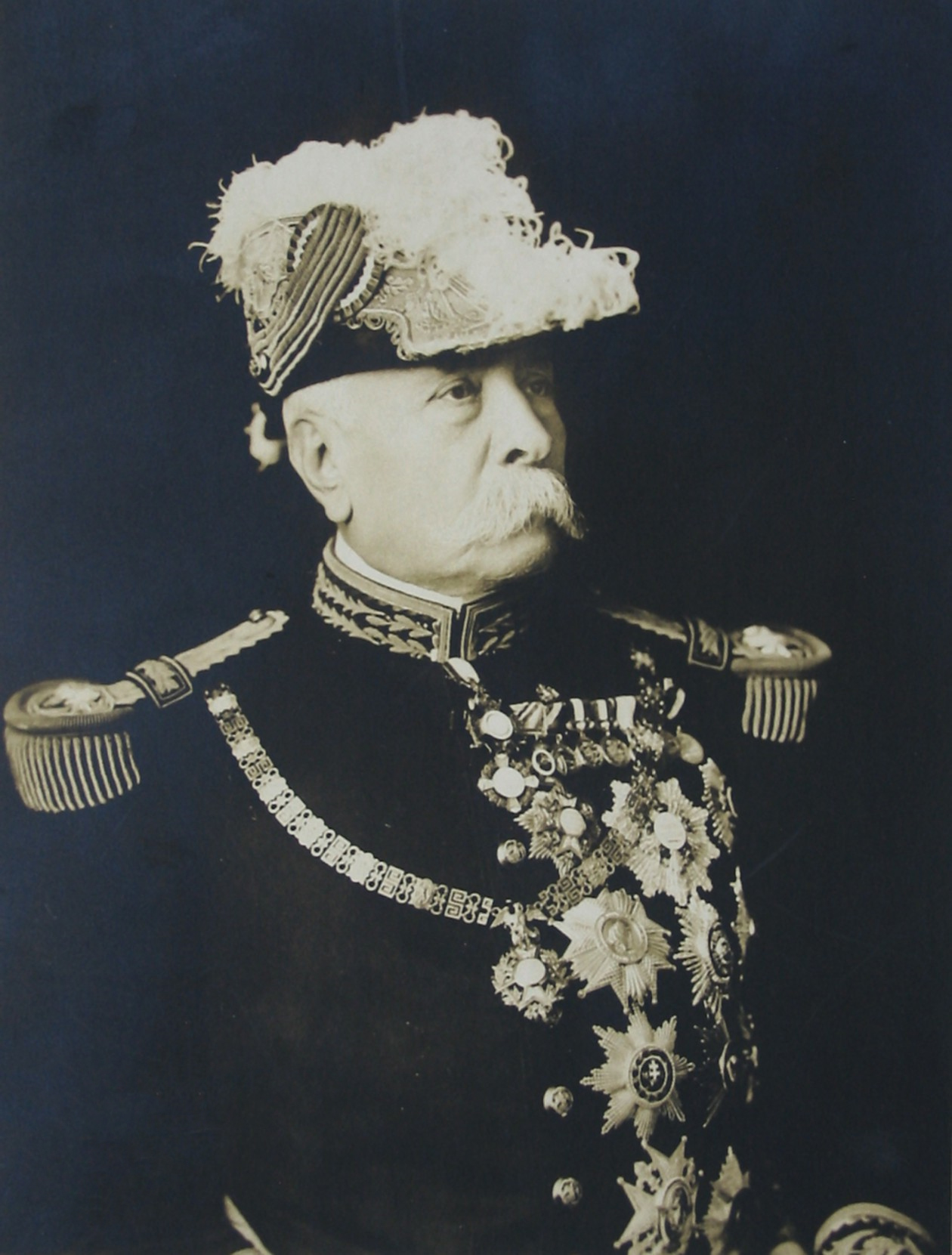
Photo from: http://upload.wikimedia.org/wikipedia/commons/d/d9/Porfirio_diaz.jpg
He remained in power by rigging elections and censoring the press. Possible rivals were destroyed, and popular generals were moved to new areas so they could not build a permanent base of support. Banditry on roads leading to major cities was lessened by the "Rurales". The police force that he controlled. Banditry remained a major threat in more remote areas. The Rurales comprised fewer than 1000 men. The Army was reduced in size from 30,000 to less than 20,000 men for such a large country. However the army was modernized and well-trained. The army was also equipped with the latest technology. The army had 5,000 officers, many of them elderly but veterans of the wars of the 1860s. The political skills that Diaz used before 1900 faded, as he and his closest advisors were not really open to negotiations with other, younger, leaders. His announcement in 1908 that he would retire in 1911 started a feeling that Diaz was on the way out, and that new coalitions had to be built. He ran for reelection but was overthrown.
I retrieved this information from: http://en.wikipedia.org/wiki/Porfirio_D%C3%ADaz


Comments
The focus on this was US issues with Mexico. What about our invasion of Mexico?